Guest post, part two of two. Part one covered the method. This is the madness: what the method found, the words we had to invent to talk about it, and the experiments that blew up.
The headline: genre predicts nothing
After dozens of test playlists across post-punk, soul, blues-rock, Latin pop and rap, one finding beat all the others. Genre barely predicts anything. Delivery predicts almost everything. The same vocal rule fired inside a rap record, a soul record and a post-punk record. So the model sorts songs by how the voice behaves and ignores which shelf the record sits on.
The vocabulary
Most of the project was finding words for things Adam could hear but couldn’t name. Some of them he named himself.
Smear, not density
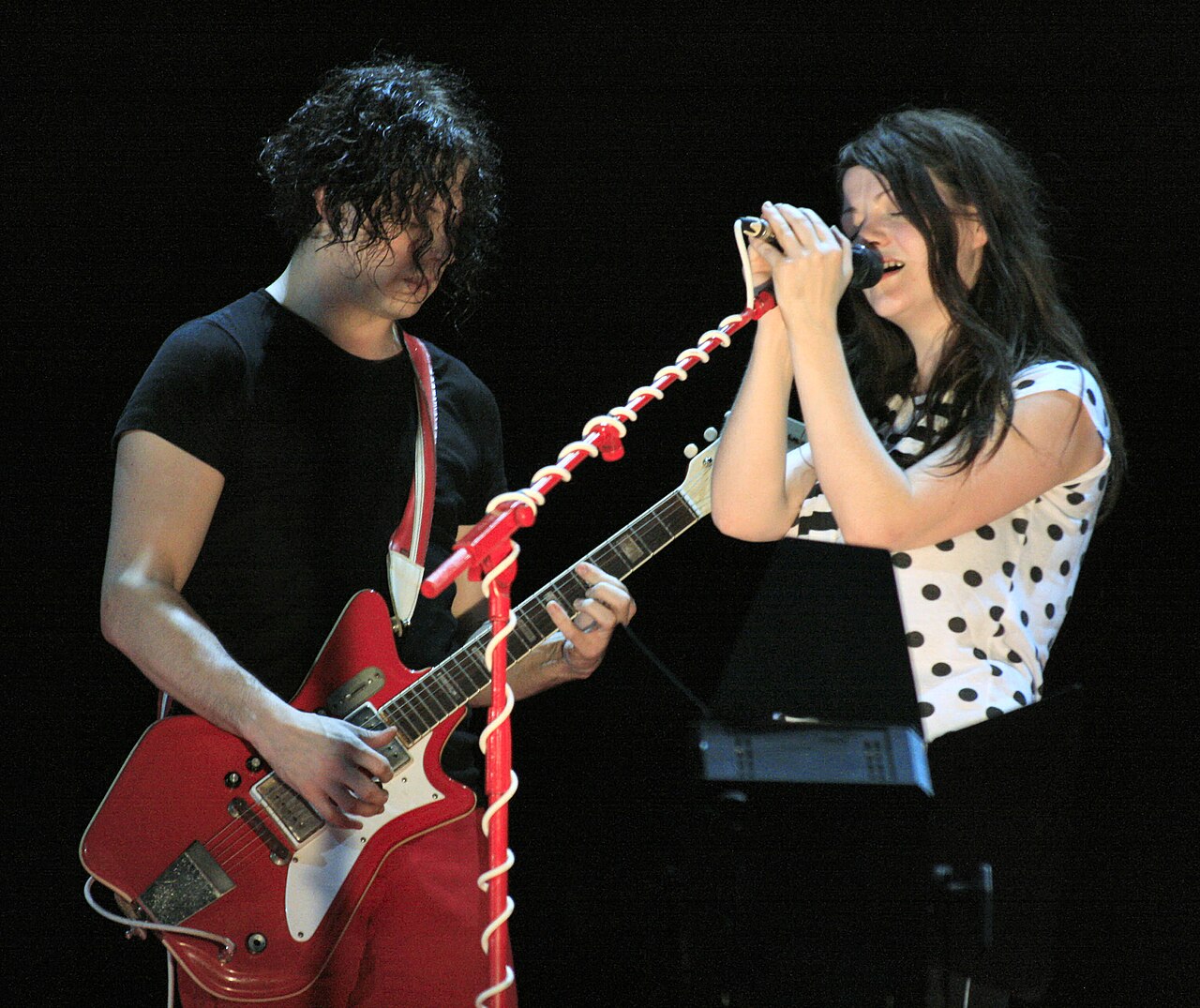
He needs to be able to pick out every part. Dense is fine if each part stays distinct (St. Vincent). Bare-bones separation is the dream (The White Stripes, The Black Keys). What kills a song is smear: buried vocals, doubled vocals, and stacked, compressed choruses where every voice gets squashed into one wall.
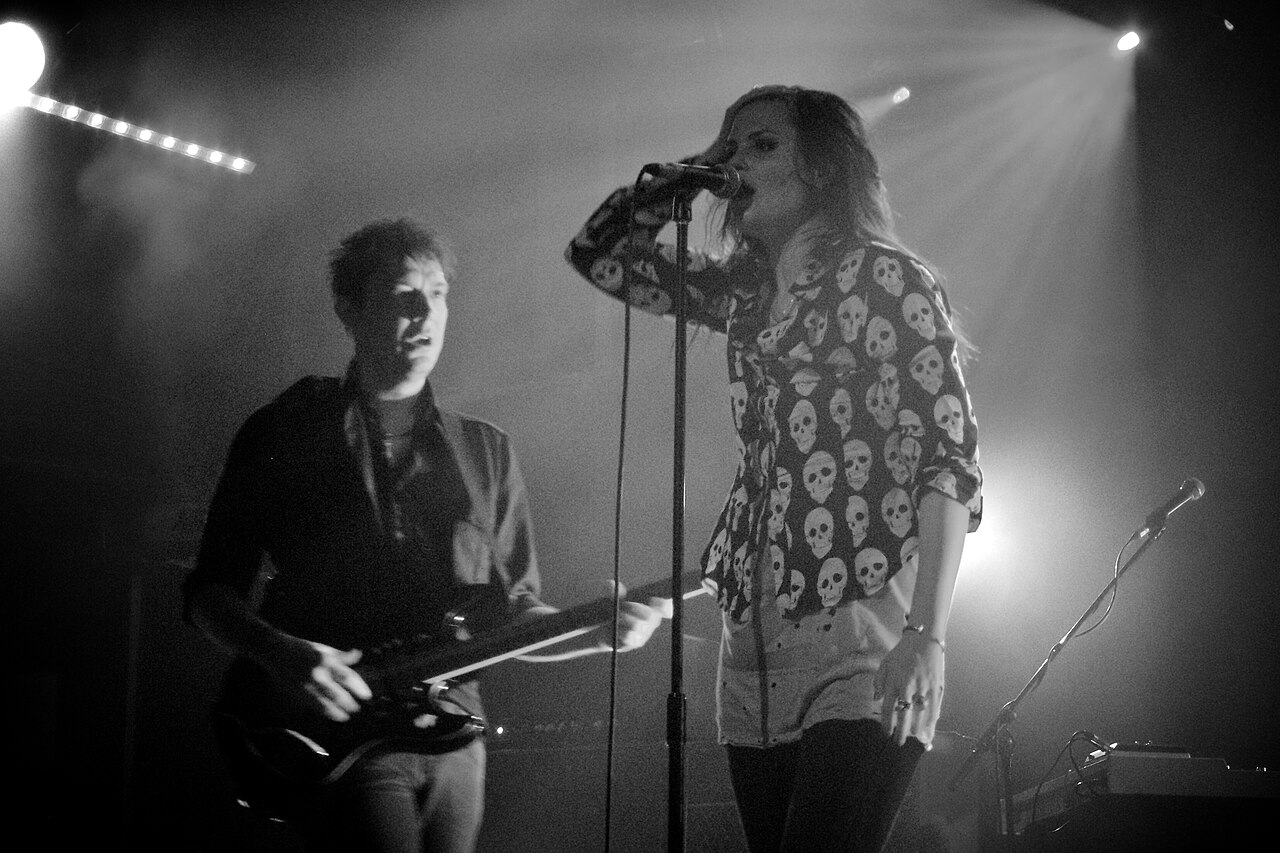
He spotted a structural shortcut himself. Two-piece bands with no bass player, like The White Stripes, The Black Keys and The Kills, get separation for free. So we built a test of twelve of them, and it got the best hit rate of the whole project. Deap Vally’s “Baby I Call Hell” was the standout: “isn’t just my wheelhouse, it’s the factory that builds my wheelhouses.”

Percussive phrasing (his term)
When Fiona Apple and Tove Lo were described as phrasing percussively, biting against the beat, the reply came in capital letters: “YES YES YES… Percussive Phrasing! That’s an identifier that qualifies something I could never put my finger on!!” It means singing consonants instead of vowels: short, clipped notes, entries that land early or late against the beat, and speech rhythm brought into the melody. The voice acts like a drum, not a violin.
Pinned versus unpinned
Does the voice hit an exact pitch at an exact moment, or travel between pitches? He wants hit. Most of the vocal vetoes turned out to be one kind of travelling or another: runs, crooning, scooping into notes, and warble. Warble, a pitch that wavers instead of holding, became the most reliable veto in the model. It flagged Angel Olsen and Big Thief’s Adrianne Lenker as risky before he’d heard a note, and both missed. Controlled vibrato isn’t warble, though. That’s where the voice measurement from part one comes in: fast, regular and narrow passes, and slow, wide and wandering doesn’t.
Hook-anchored (also his term)
Rhythm alone isn’t enough. The voice needs a hook to push against. He had playlists with “Hook-Anchored” in the name years before this project, so he named this rule long ago. Rap with no hook gets his other coinage: “words words words.”
The groove floor
The song has to be going somewhere. Three different misses got the same complaint in his own words: “there’s no groove,” “lacks that blues/groove edge,” and a wish that one band had “more of a blue bend.”
Productive difficulty
The sweet spot is a little outside the comfort zone. His calibration point is The Cardigans: “a little outside of typical, but not so far outside of type that I find it repulsive.” Too close sounds like a cheap clone. Too far is a hard no. “This is growing on me” counts as a win.
Rap was never the problem
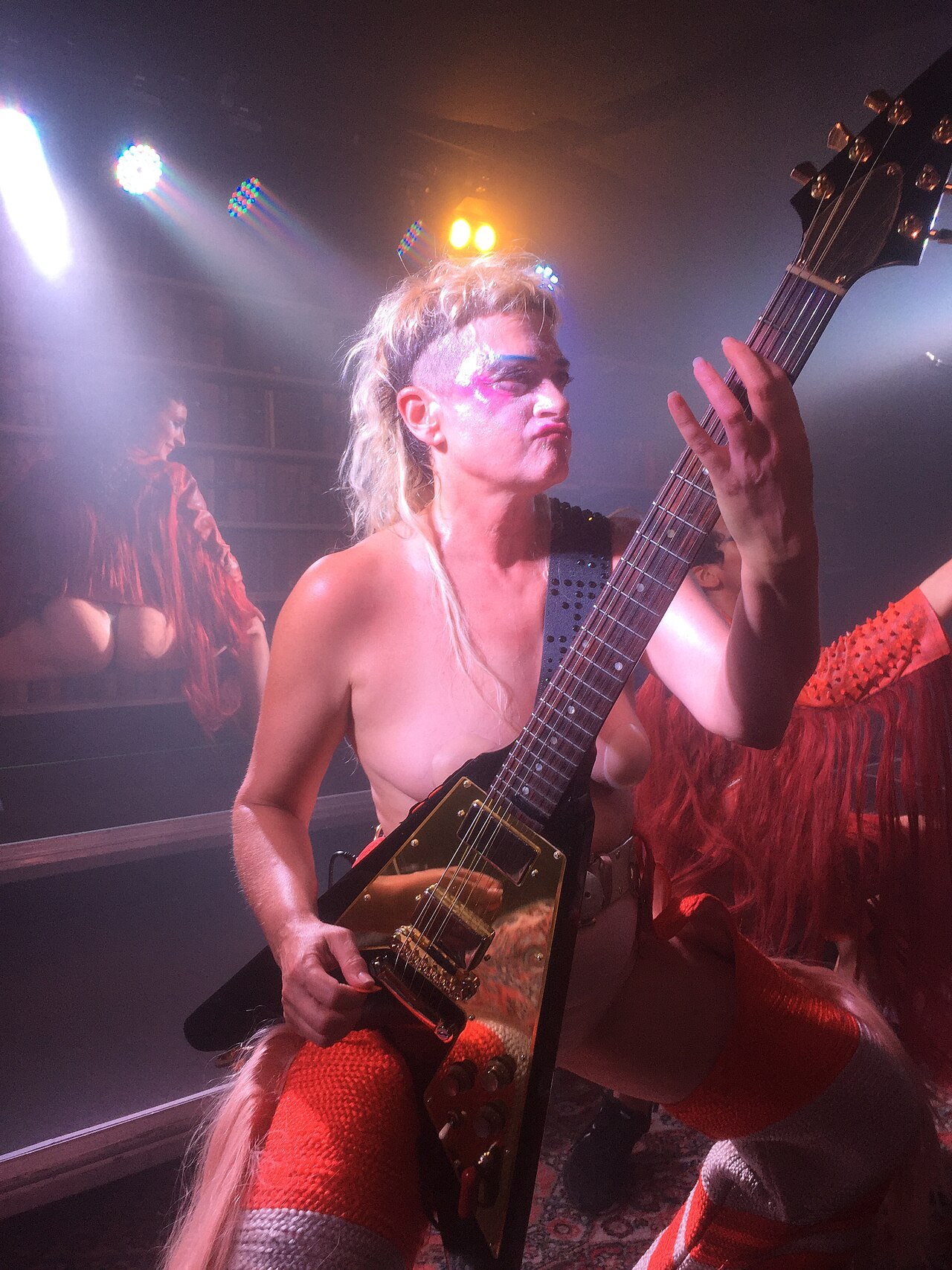
The original notes said he doesn’t like rap. That turned out to be badly wrong. The real complaint was much narrower: “it’s when they drop it into the middle of an Ellie Goulding song.” It was the guest verse wedged into a pop song, not the genre. The play data had been hiding years of Peaches, Die Antwoord and Azealia Banks’s “212.”


.jpg)
Then the pattern got cleaner. Every rap track he liked sat on a dance or electronic beat, and every one he rejected sat on a hip-hop beat. So it isn’t really a rap lane. It’s a dance lane with rapped vocals, where the beat supplies the hook and the rapper never has to carry it alone.
The singer isn’t the problem. The song is.
A Miley Cyrus dance single came back as cheesecake: the model’s first false positive. His reason was better than the verdict: “her voice can go places I like but rarely does… I think she would be an amazing rock singer.” Then, on her 2020 rock record, Plastic Hearts: “I forgot she did Bad Karma! … It’s a keeper.” And after hearing her covers: “That girl can belt.”

_(cropped).jpg)
That’s the mismatch rule. For a lot of strong pop singers, the veto sits on the production, not the singer. A dance track keeps the voice in a tight, compressed box where it can never strain, so you never hear the effort. Those singers aren’t exclusions. They’re mines: go find their off-genre work. There’s a catch, though. Overexposure wiped out most of the candidate list within a minute, so the mine only pays out in deep cuts that never wore out on the radio.
Overexposure and dated production turned out to depend on time, not on the song itself. On Madonna’s “Like a Prayer”: “it was a hit back in the day, but now it’s a miss due to dated production and overexposure. But if something similar was released today by a different artist, I would probably be all over it.” Same song, new verdict, decades of radio later.
Meaning, by contrast, barely matters. Shakira’s “Ojos Así” has been a favorite for about twenty-five years. Asked what it’s about: “I have no idea what she is singing — something about eyes?!” Sound first, meaning optional.
The playlist that blew up: The Belt
After “that girl can belt,” the obvious move was a playlist of the biggest vocal detonations available: Halestorm, Bishop Briggs, Skunk Anansie, Grace Potter, Elle King, Starcrawler, Amyl and the Sniffers. Ten maximum-effort peaks, back to back.
Verdict: “turns out too much of that is fatiguing.”
It was a construction failure, not an artist verdict. A peak only reads as a peak when there’s a valley around it. The rule that came out of it: the detonation is a peak, not a diet. The fix was a list called The Long Fuse: seven quiet-to-mid tracks around three detonations, with the target property showing up about one track in four. It also turned out that nearly every earlier list had made the same mistake, piling one trait into one playlist until it stopped working.
Follow-through beats discovery
Dead Sara’s “Weatherman” scored second in an early test and then sat there, unfollowed, for weeks. When it finally came back up: “Weatherman is a song I can’t get out of my head since I heard it.” Their 2012 debut was untouched in his history, and it’s the raw one.
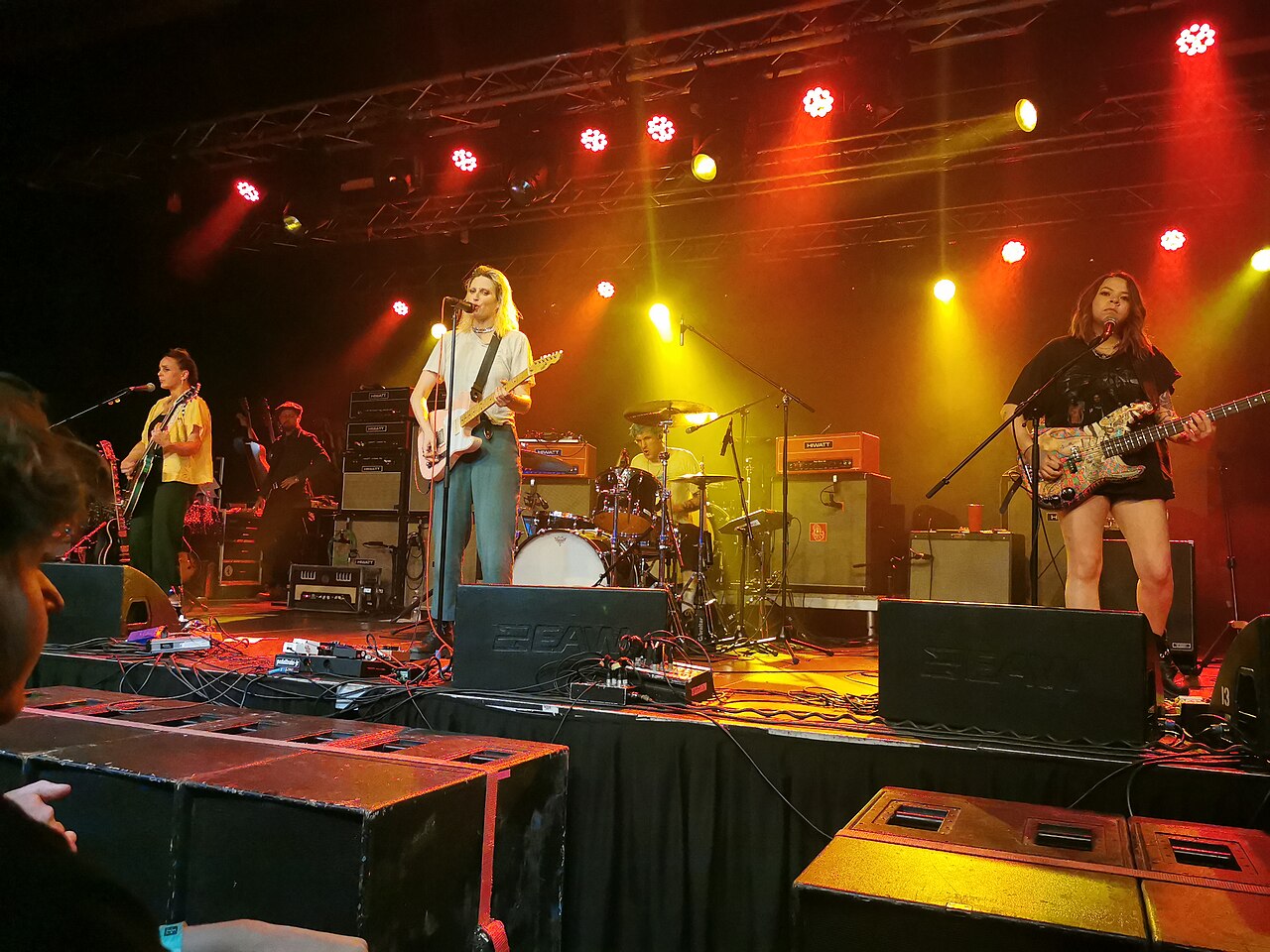


Larkin Poe came out of searching around the reference voice instead of around the vetoes, and they landed instantly: “why were you hiding Larkin Poe from me? This should be in a playlist!” Their flagship for him is “Preachin’ Blues,” a Son House cover, which plugs straight into the Delta blues he already loves through The White Stripes.

.jpg)
The lesson: a target finds things a veto never will. A model built only out of nos keeps hunting in the wrong places.
Fontaines D.C. were the biggest win of the percussive-phrasing test. “Starburster,” which uses a gasped breath as its hook, was an instant keep. A minute later came: “I literally just turned the volume up on Starburster.. it’s a jam.” Turning it up is the rarest and most reliable tell in the whole project.

.jpg)
The format that worked: musical family trees
The most fun part was Adam’s own invention. Pick a song, trace it back to its roots, and play the whole family tree in chronological order. His reaction to the third one: “this is GRAND FUN!”
- Roots of One (Metallica, 1988): Link Wray “Rumble” (1958), The Kinks, Black Sabbath, Deep Purple, Thin Lizzy, Judas Priest, Motörhead, Diamond Head “Am I Evil?” (1980), Metallica “Fade to Black,” then “One.”
- Roots of Moments (Tove Lo, 2014): Blondie “Heart of Glass,” ABBA, Roxette, Ace of Base, Alanis Morissette, Britney Spears, Robyn “Dancing On My Own,” Icona Pop, then Tove Lo. Two strands braid together here: the Swedish pop machine, which Tove Lo literally worked inside as a staff songwriter, and the blunt, unflattering female first person.
- Roots of Icky Thump (The White Stripes, 2007): Charley Patton “Pony Blues” (1929), Howlin’ Wolf, Son House “Death Letter,” Captain Beefheart, The Stooges, Led Zeppelin, The Gories (a Detroit garage trio with no bass player, the direct local ancestor), Jon Spencer Blues Explosion, then Jack and Meg.
- Roots of Extraordinary Machine (Fiona Apple, 2005): Lotte Lenya “Alabama Song” (1930), Nina Simone “Sinnerman,” The Beatles “Penny Lane,” Van Dyke Parks, Randy Newman, Joni Mitchell, Tom Waits, Aimee Mann, then Fiona. The thread at the end is producer Jon Brion, who worked on both of the last two.

.jpg)


Spotify scrambled the order on the first one, naturally. For a family tree, the order is the whole point.
The scoreboard
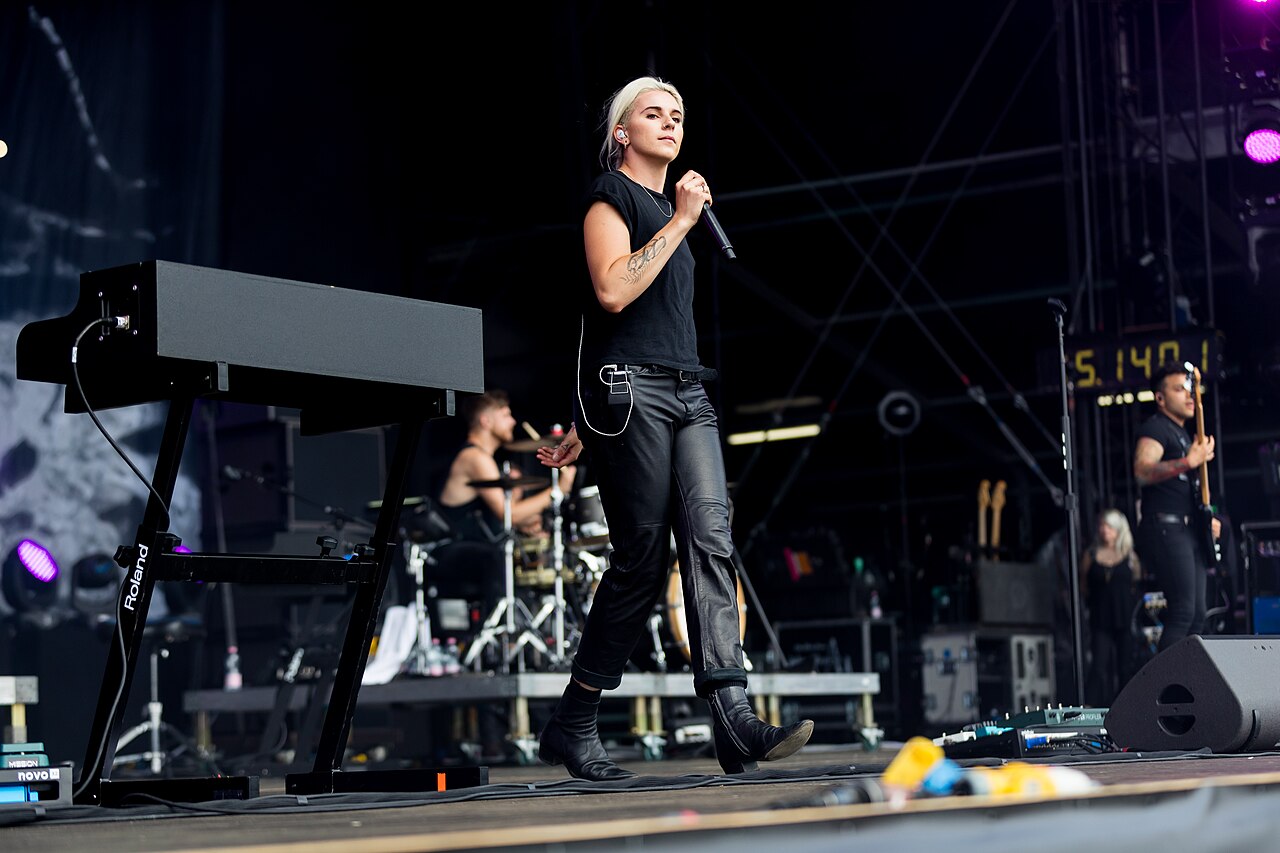
Adam eventually made his own playlist of every song he kept from these experiments: ClaudeKeepers, 73 tracks and counting. The leader was Dead Sara with five keepers, then PVRIS, Cassyette, Larkin Poe and Jessie Reyez with four each. Some of the single keepers: Bully “Trying,” Fontaines D.C. “Starburster,” Calle 13 “Atrévete-Te-Te,” Ana Tijoux “1977,” Bomba Estéreo “Soy Yo,” SAULT “Wildfires,” Mark Lanegan “Wedding Dress,” Courtney Barnett “Pedestrian at Best,” Gossip “Standing in the Way of Control,” and Indila “Dernière danse.”
What the model can’t see
It reads recordings, not relationships. Which songs he protects, which ones carry history, which ones are really about the music video: none of that is in the audio, and the model shouldn’t pretend otherwise. It predicts liking. The human supplies the rest.
One last rule. When he says “this is growing on me,” that’s a win. When he turns the volume up, stop talking.
Leave a Reply